
Webinar: AI or Automation? How to Know What Your Business Actually Needs
Watch on demand
Most operational problems are not as simple as “add AI.” Sometimes the real issue is workflow friction, inconsistent processes, approvals, or disconnected systems.
Join to learn:
– The difference between automation, AI, and ERP/process hygiene
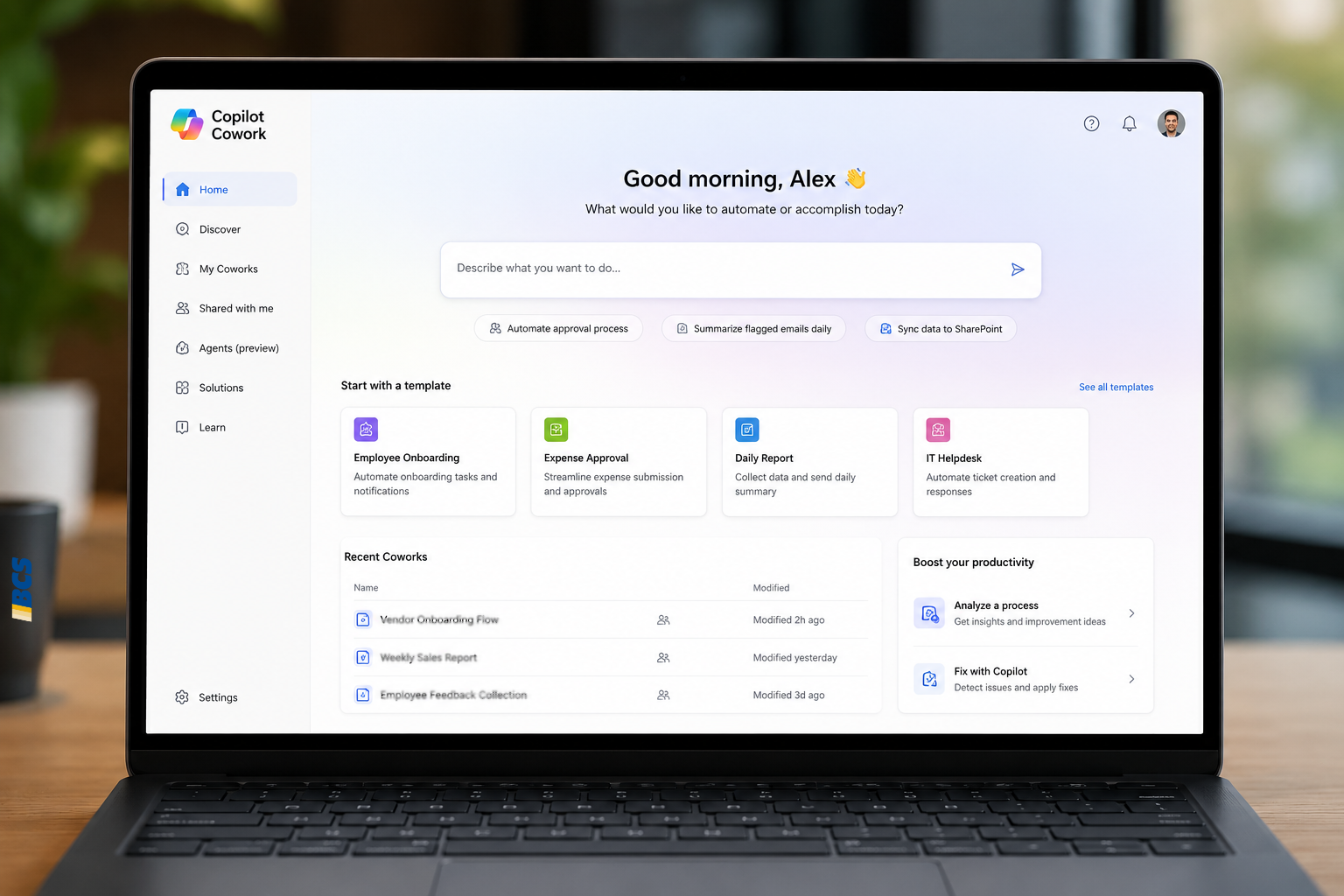
– Where tools like Power Automate and Microsoft Copilot (Cowork) fit
– A framework to evaluate operational challenges based on impact vs. complexity
– How to prioritize opportunities without overengineering the solution
– An opportunity to ask consultants their recommendation on your scenarios
There is a point most teams reach after getting access to AI where something feels slightly off. The responses are not wrong, but not quite right; they feel generic, incomplete, or disconnected from how the business actually operates. That is usually when the questions start.
- Is the data clean enough?
- Is it structured properly?
- Are we missing something?
In most cases, the issue is not the data. As we covered in Why Perfect Data Isn’t Required to Get Started, most organizations already have enough data to begin. The challenge is not whether the data exists, but how well it connects.
Why AI Isn’t Just a Data Problem
AI does not fail simply because data is imperfect. In fact, it is designed to work with imperfect inputs. It can summarize, interpret, and generate outputs even when the underlying data is messy or inconsistent. That is part of its strength.
Yet even with that capacity, something can still feel off.
The bigger gap is context.
Where AI Starts to Break Down in Business Systems
In most business systems, data exists, but it is fragmented across processes and systems.
- A customer record lives in one place.
- Transactions exist somewhere else.
- Communications are stored separately.
- Operational decisions often sit in emails or conversations.
Each piece makes sense on its own, but the connections between them are not always visible.
When AI is given access to data without those connections, it does what it can. It looks at what is directly available and generates a response based on that limited view. The result is technically correct, but it lacks the full picture. That is when it starts to feel generic.
Why Does AI Feel Generic Even When You Have the Data?
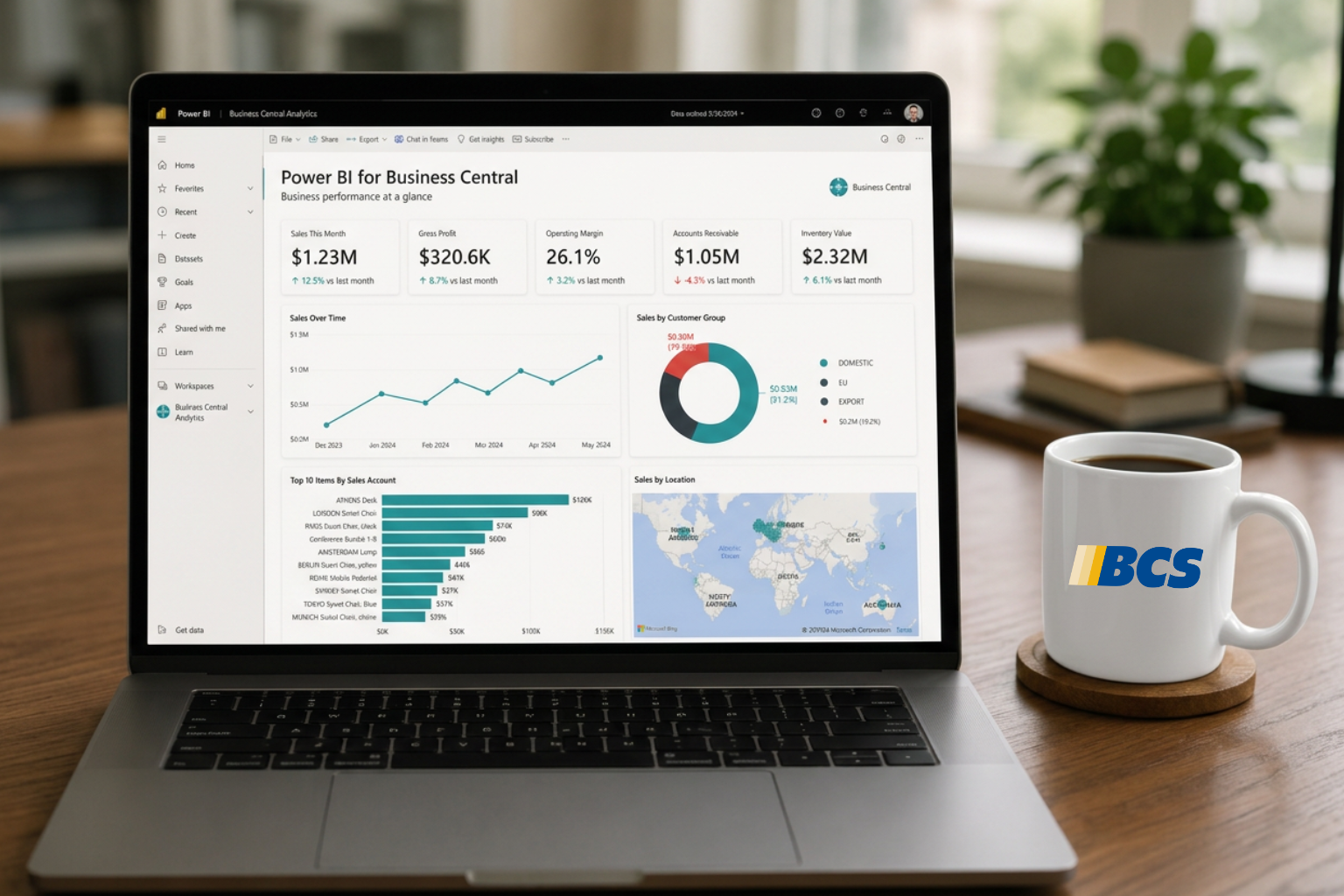
Take a system like Business Central as an example of surface-level insights versus real understanding.
AI might be able to summarize financial activity or highlight trends. But if it does not understand how those numbers relate to specific operational events, customer interactions, or internal workflows, the output remains surface-level.
- It can tell you what is happening.
- It cannot fully explain why it is happening.
That difference is what separates useful output from meaningful insight.
Why Context Changes Everything
Two organizations can have similar data and still get very different results from AI.
The difference is not just the quality of the data, but how well the relationships between that data are captured and accessible.
Context is what connects the dots.
- It links between a transaction and the process that created it.
- It ties a customer issue to the actions taken to resolve it.
- It reflects how work actually flows through the organization, not just how it is recorded.
When AI has access to that level of connection, the experience changes.
- Responses become more specific.
- Insights become more relevant.
- Outputs start to align with how the real operations of the business actually runs.
Why AI Improves as Context Improves
This is also why AI tends to improve over time within the same environment. It is not just learning from more data, but it is learning from better-connected data.
As systems become more integrated and workflows more visible, AI gains more context to work with, and the outputs naturally become more useful.
The Real Takeaway: Focus on Context, Not Just Data
The goal is not to wait for perfect data before using AI. The real opportunity is to improve how your data connects across systems, processes, and people. Because that is what ultimately shapes the quality of the results.
Microsoft is starting to move beyond simply giving AI access to data. This becomes increasingly relevant as Microsoft introduces capabilities like Copilot Cowork, which are designed to work across processes rather than isolated tasks. This shift, from accessing data to understanding context, is what will make AI feel less generic and more aligned to how your business actually runs.
For teams already using workflow automation, From Power Automate to Microsoft Copilot shows how AI builds on the structured processes you already have in place.
If you’re looking for additional information or want to start a conversation, contact BCS today!
Doing More With the Team You Have | What BCS is Changing About AI
30 minute webinar on-demand
Rewatch now
Most small and mid-sized businesses aren’t behind on AI. They’re behind on how it’s used. So it gets pushed. At BCS, we’re changing that: AI is built into the system from day one, and not added later. We are showing what we’re doing differently and what it means for your team.
The outcome:
– lower cost
– faster decisions
– better use of the team you already have