
Dynamics 365 Finance and Operations has a lot of layered functionality in terms of subledger posting through various types of transactions in the system. This is a great way to fully utilize your system and have access to more detailed documentation and keep your financial system running efficiently.
A great functionality in Dynamics 365 is the ability to post expenses to various subledgers throughout the system. Companies post transactions to subledger accounts for several reasons:
-
Detailed tracking: Subledgers provide a more detailed record of transactions than the general ledger. This allows companies to track individual transactions and balances for specific accounts or categories of transactions. This detailed information can be used to identify trends, analyze patterns, and make informed decisions.
-
Accuracy and control: Subledgers help to ensure the accuracy of financial records by providing a system of checks and balances. Transactions are recorded in both the subledger and the general ledger, which allows for cross-referencing and verification. This helps to prevent errors and fraud.
-
Enhanced reporting: Subledgers make it easier to generate detailed reports on specific accounts or categories of transactions. This can be helpful for managers who need to track performance, identify areas for improvement, or make decisions about resource allocation.
-
Compliance and auditing: Subledgers can help companies to comply with accounting regulations and standards. They can also make the auditing process easier by providing detailed records that can be easily verified.
Here are some specific examples of how companies use subledgers:
-
Accounts receivable subledger: This subledger tracks the balances owed to a company by its customers. It includes information about individual invoices, payments, and credit terms.
-
Accounts payable subledger: This subledger tracks the amounts that a company owes to its vendors. It includes information about individual invoices, payments, and due dates.
-
Inventory subledger: This subledger tracks the quantity and value of a company’s inventory. It includes information about individual items, purchases, sales, and adjustments.
-
Fixed assets subledger: This subledger tracks the cost, depreciation, and location of a company’s fixed assets. It includes information about individual assets, such as computers, furniture, and machinery.
This picture shows some of these various accounts.

Compared to other systems that you can only post to the General Ledger, here with Dynamics 365 you can post to different subledgers to track a project, project budget, and more. Having that control to link paying methods to ledgers is key in Dynamics 365.
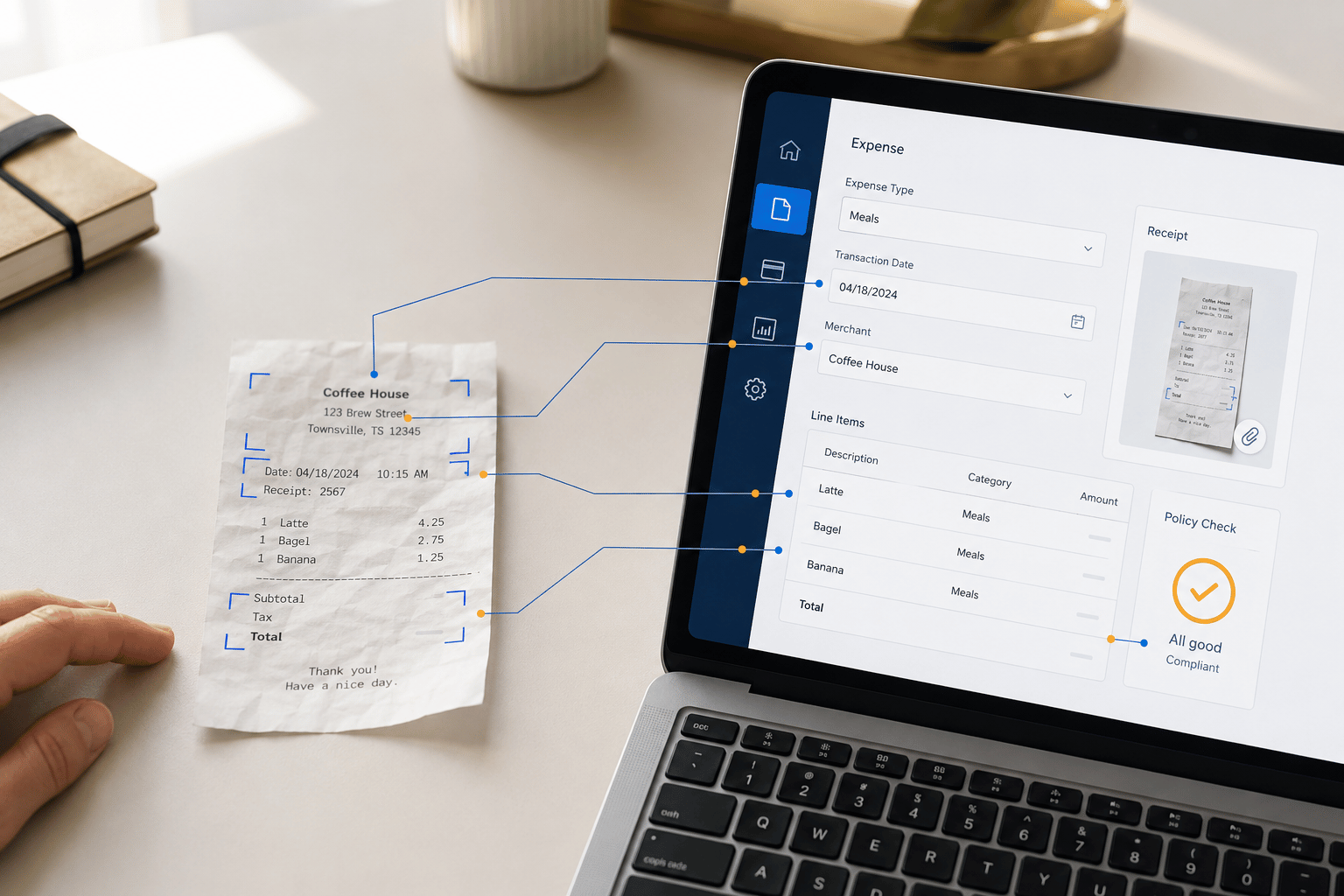
This is specifically useful if you have a vendor (for example a credit card) that you use to pay and need to pay, using the vendor functionality to streamline that in the subledger posting is great. This is a helpful feature for midsize clients that need to complete this process.
To learn more about Dynamics 365 Finance and Operations functionality, please reach out to sales@lime-falcon-860444.hostingersite.com or for additional assistance with your systems need contact support@lime-falcon-860444.hostingersite.com.