
Inside distribution companies, most problems don’t come from bad people or broken intentions. They come from gaps in the hand-offs between teams.
As a Controller, I used to think our issues were finance issues. Later, I realized the bottlenecks were happening between:
- sales → operations
- operations → warehouse
- warehouse → purchasing
- purchasing → finance
- finance → everyone
Here’s why it happens and what connected operations actually fix.
Why Distributor Processes Drift as You Grow
When companies grow quickly, operations evolve faster than systems. People invent shortcuts. Teams build their own versions of processes.
Before long, the hand-offs look like:
- “Let me send you this file.”
- “I’ll update it once I finish something else.”
- “Ops keeps their own sheet.”
- “We have our own tracker.”
Everyone’s doing their best but no one has the full picture. These symptoms often show up long before leaders realize they’ve outgrown the system.
Inventory Problems That Come From Broken Hand-Offs
Disconnected processes = inconsistent numbers.
You see:
- mismatched units of measure
- variance adjustments everywhere
- manual corrections
- phantom stock
- unclear availability
None of these are individual errors. They’re symptoms of broken visibility.
How Workarounds Multiply and Break the System
Spreadsheets become the default workaround (here’s how it happens). Especially when the current platform feels slow or inflexible.
Teams start:
- maintaining side spreadsheets
- tracking orders separately
- doing manual approvals
- sending emails instead of using workflows
The more successful the workaround, the worse the system becomes and the more painful the hand-offs feel.
Why Reporting Suffers When Every Team Has a Different Truth
When every department owns a different view of the truth, leadership ends up relying on:
- lagging reports
- siloed data
- cross-checking
- manual consolidation
This slows decisions at the exact moment you need speed.
What Connected Operations Look Like for Distributors
You don’t need automation everywhere. You need visibility everywhere. Connected systems give you:
- one version of truth across sales, ops, warehouse & finance
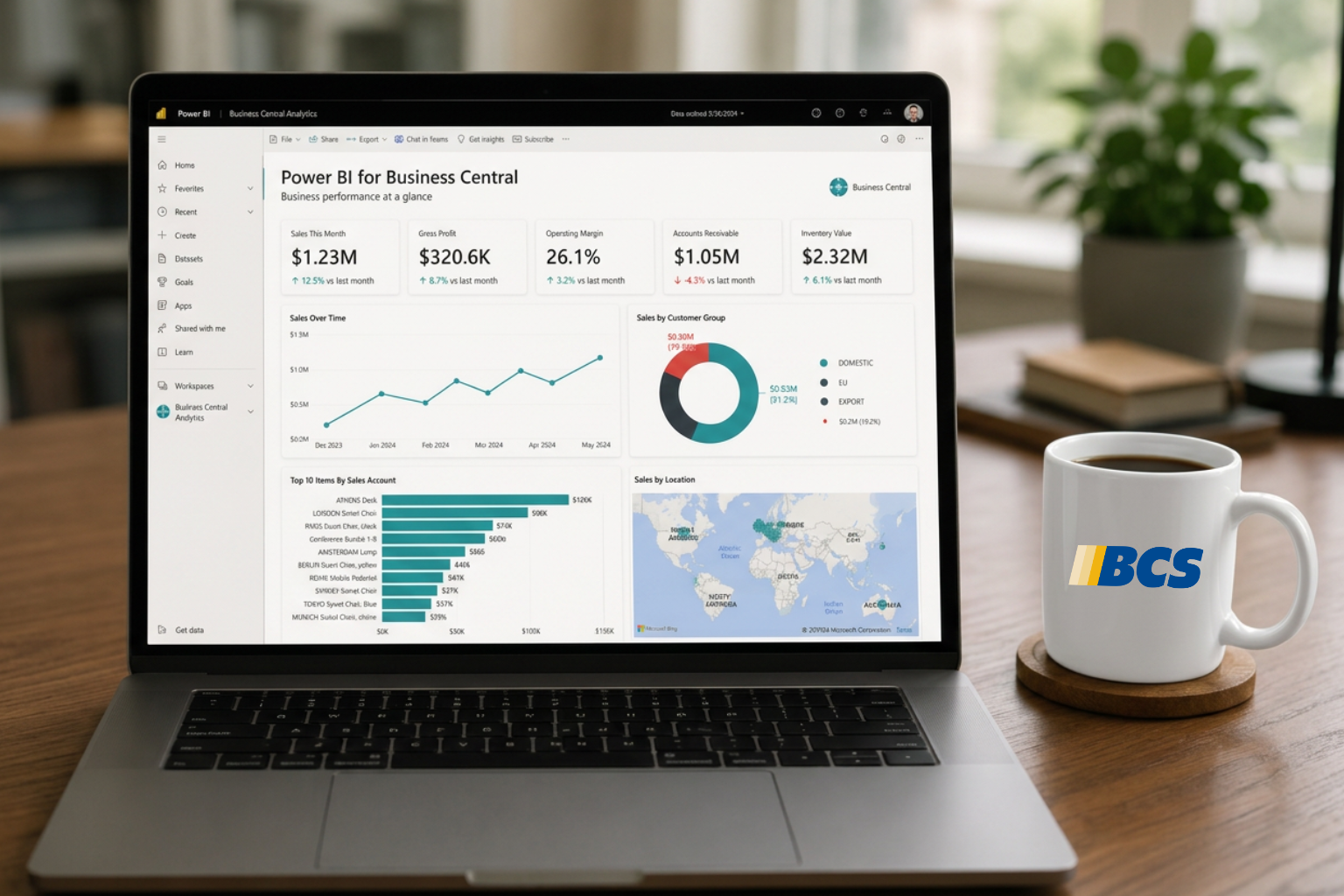
- real-time inventory and margin data
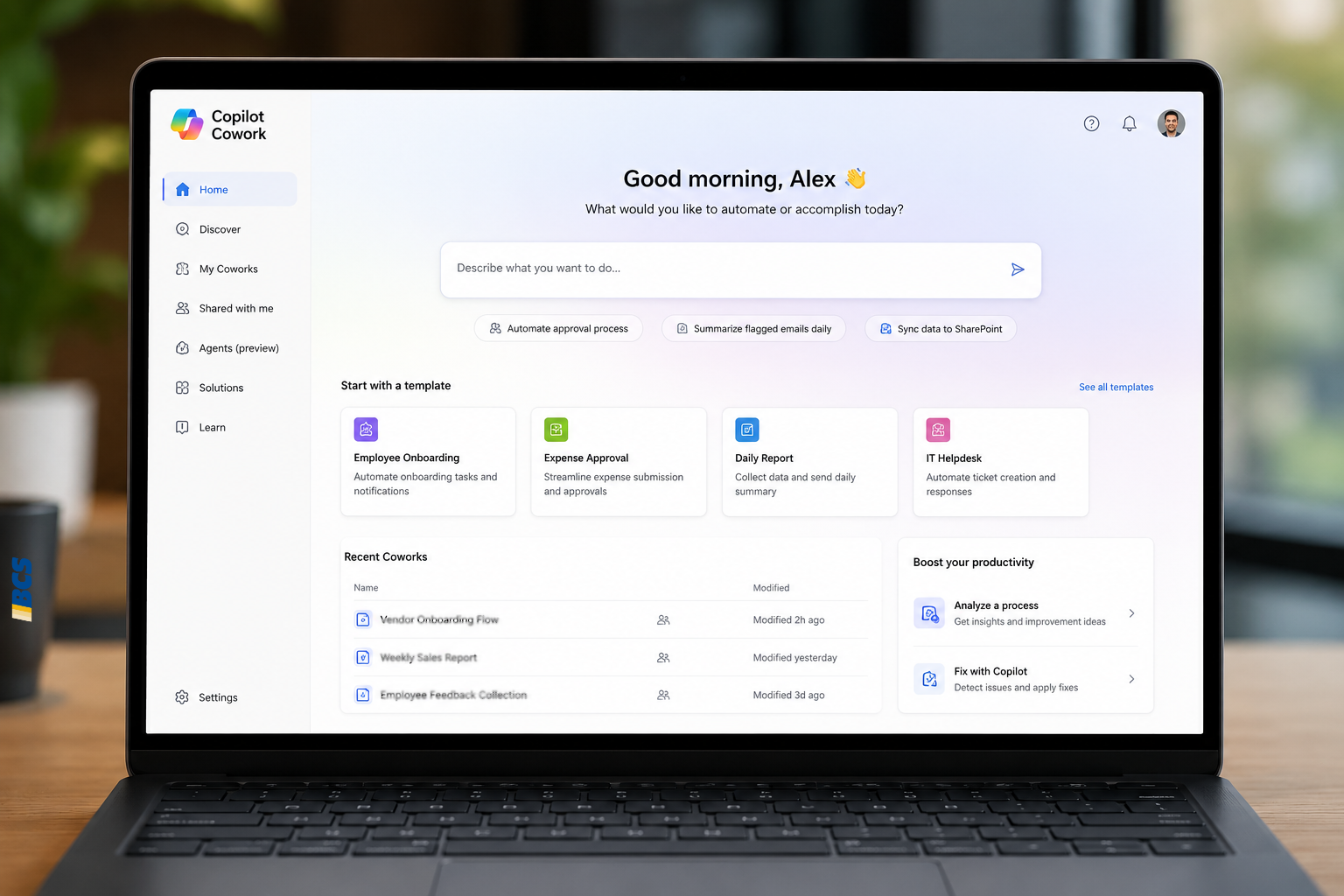
- standardized workflows
- approvals that happen in Outlook or mobile
- reporting that doesn’t require heroics
Teams stop compensating. They start collaborating.
How to Start Fixing Broken Hand-Offs
You don’t need a giant project or a perfect quarter to reconnect your operations.
Most distributors start with a foundational phase and build momentum from there. See how one growing distributor resolved these hand-off issues.
If you want to see how distributors are regaining visibility and control, you can explore the full webinar and supporting resources in BCS’ Distribution Hub.