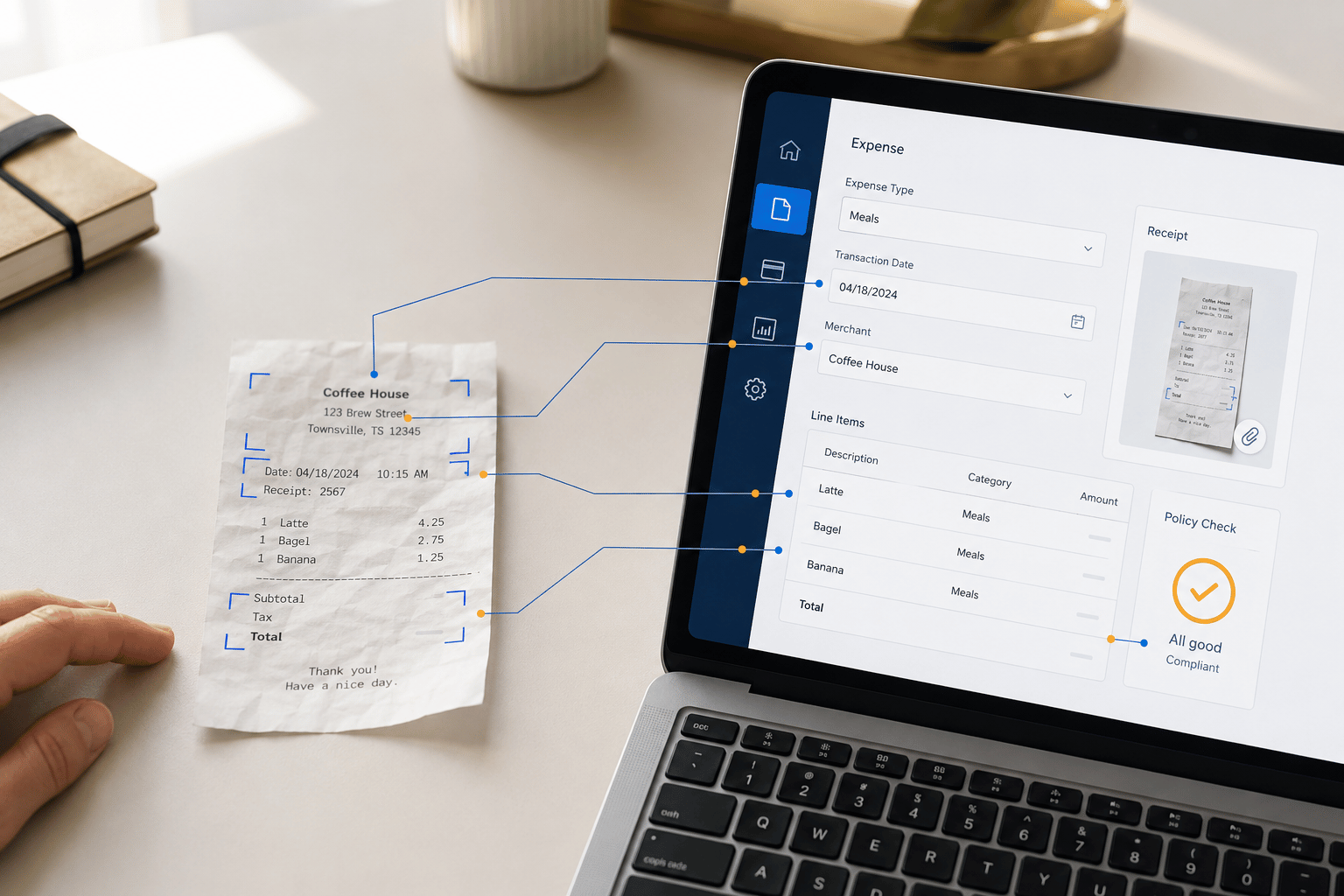

AI agents are now live inside Microsoft Dynamics 365 Business Central. For manufacturers evaluating AI in ERP systems, the practical question isn’t what an agent is it’s how AI agents function inside real manufacturing workflows.
In a manufacturing environment, Business Central already manages sales orders, inventory, purchasing, production, and financials. That foundation does not change. What AI agents introduce is an additional coordination layer between those processes particularly in areas where manual review, re-entry, and handoffs slow down execution.
If you want the foundational explainer first: what agents are, how they differ from Copilot, and how they work inside Dynamics 365, start with What AI Agents in Dynamics 365 Actually Do. This article focuses on the operational view: what agents could do for manufacturers inside Business Central workflows.
Prefer to read? The full breakdown continues below the video.
AI Agents in Business Central for Manufacturing — Walkthrough
This short session walks through how AI agents could operate inside manufacturing workflows in Business Central, with practical scenarios from order intake through production coordination.
How AI Agents Fit Inside Manufacturing Workflows in Business Central
ERP systems were built to manage structured transactions. In manufacturing, that includes sales orders, item availability, production orders, replenishment rules, purchasing, and capacity planning. Those core mechanics remain intact.
What often creates friction is not the logic inside ERP, but the coordination between steps. A customer sends an email. Sales checks availability. Planning confirms production timing. A delivery date is calculated. A quote is drafted. The order is converted. A production order is released.
Each step is reasonable. Collectively, they introduce delay and potential inconsistency. AI agents inside Business Central are designed to reduce that manual coordination between structured ERP events. They do not replace systems or redesign production planning. They operate within defined rules to move predictable workflows forward more efficiently.
What Is an AI Agent in Business Central (Practical Definition for Manufacturers)
Inside Business Central, an AI agent is not a chatbot sitting on the side waiting for questions. An agent monitors defined workflows. It prepares next steps. It recommends actions. In some cases, it acts within predefined rules.
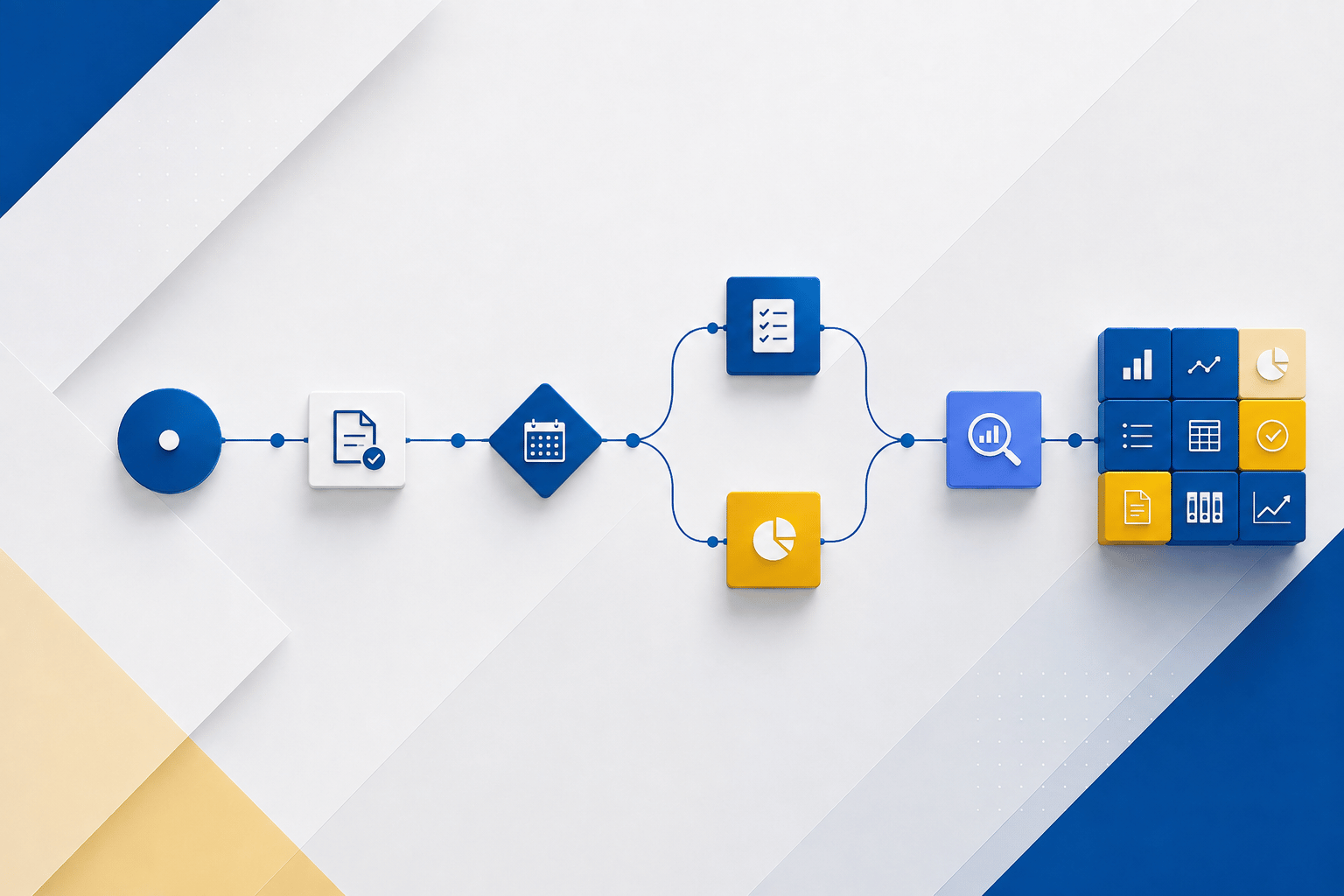
Monitor • Prepare • Recommend • Sometimes Act.
That’s the model. The distinctions between automation, Copilot, and agents are covered in What AI Agents in Dynamics 365 Actually Do. For manufacturing teams, what matters is how this applies to the workflows you already run.
Reducing Manual Coordination in Manufacturing ERP and Not Replacing Planners
AI agents inside Business Central don’t replace team members, such as production planners. They don’t eliminate capacity planning decisions or override human judgment. They remove predictable, repetitive coordination steps: checking availability across locations, drafting similar quote responses, converting confirmed quotes into orders, initiating production when replenishment rules are already defined.
Those steps are operational, structured, and already exist inside your ERP system. Agents move them forward more efficiently while you retain control of the decisions.
AI Is Changing the Intelligence Around ERP
Business Central remains the system of record for manufacturing operations. What’s evolving is how work moves between steps. Agents can monitor workflows inside the system and handle the predictable coordination that typically slows teams down.
That coordination layer is where manufacturing impact starts.
Where AI Agents Are Most Likely to Impact Manufacturing Workflows
Order intake and quote response
When inbound requests trigger inventory checks, delivery date calculations, and back-and-forth between sales and planning, that coordination layer becomes measurable friction. Agents are naturally positioned to monitor those triggers and compress the response window.
Order promising
Real-time availability data already exists inside Business Central. The gap is often the manual interpretation and confirmation step. Agents are well-suited to monitor demand, verify supply conditions, and prepare responses before a commitment is made.
Production order initiation
When replenishment rules are already defined, the system knows what should happen next. The delay usually comes from waiting for someone to trigger it. That initiation layer is a logical candidate for agent support.
To be direct: these are not broad manufacturing automation projects. They are narrow, repeatable coordination points that already exist inside ERP workflows. And today, outside of the Sales Order Agent, most of these are conceptual extensions, not out-of-the-box manufacturing agents. They are patterns. And patterns are where agents fit best.
What This Means for the Future of AI Agents in Manufacturing ERP
A pattern becomes clear for manufacturers: once a workflow is structured and rule-based inside ERP, it becomes a candidate for monitored coordination: planning review cycles, supply chain exception alerts, procurement confirmations, status communication between teams. Not as system replacements, but as incremental extensions of the same idea: monitor, prepare, recommend, and sometimes act.
For manufacturing teams, this is less about adopting a specific “manufacturing agent” tomorrow and more about recognizing which coordination points inside your operation are predictable and repeatable. Those are the areas most likely to benefit as agent capabilities expand.
Why AI Agents Matter for Manufacturers Evaluating Business Central
If you’re evaluating Business Central as your manufacturing ERP, agents are becoming part of the coordination layer inside it. The underlying production, inventory, and financial functionality remains core. What’s evolving is how work moves between modules.
If you’re already running Business Central, the opportunity is incremental. Start with one workflow. Measure response time, measure coordination lag, introduce agents where friction is visible.
This is not an all-or-nothing decision. AI agents in manufacturing are not a transformation project; they’re a practical layer of coordination built on top of ERP workflows you already rely on. The opportunity is to identify where manual triage, repeated validation steps, or predictable handoffs slow you down, and allow an agent to handle that coordination while you retain decision control.
More capability is coming. The teams that understand where it genuinely fits will adopt it on their terms rather than someone else’s.
Ready to Map Your Coordination Points?
If you’re evaluating Business Central for manufacturing, or already running it and thinking about where agents fit, we’re working with manufacturers to map those coordination patterns now. If that’s a conversation worth having, we’re easy to reach.